Freihandelsabkommen EU-Indien: Was bedeutet es für europäische Unternehmen?
Das Freihandelsabkommen EU-Indien markiert einen Wendepunkt für europäische Unternehmen, die in Indien Geschäfte machen oder dorthin expandieren wollen. Erfahren Sie, welche Zölle fallen, welche Märkte sich öffnen und warum jetzt der richtige Zeitpunkt für eine strategische Entscheidung in Bezug auf Indien ist.
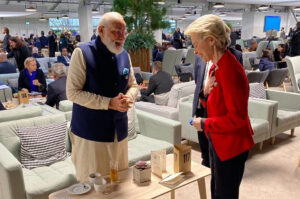
Im Januar 2026 schlossen die Europäische Union und Indien das weitreichendste Handelsabkommen ihrer Geschichte, das einen Markt von rund 2 Milliarden Menschen und fast ein Viertel des globalen BIP umfasst.
Für europäische Exporteure, Hersteller, Investoren und Dienstleister bringt das Abkommen:
- erhebliche Zollsenkungen,
- einen verbesserten Marktzugang,
- einen stärkeren Schutz des geistigen Eigentums und
- eine größere regulatorische Vorhersehbarkeit.
Für europäische Unternehmen, die Indien im Blick haben, stellt sich damit nicht mehr die Frage, ob sie handeln sollen, sondern wann. In diesem Artikel erfahren Sie, warum jetzt der richtige Zeitpunkt ist.
Dieser Artikel wird fortlaufend aktualisiert, sobald weitere Details zum Abkommen verfügbar werden.
Das Freihandelsabkommen EU-Indien im Überblick
Das EU-Indien-Freihandelsabkommen ist ein umfassendes Handels- und Wirtschaftspartnerschaftsabkommen, das nach langen Verhandlungen im Januar 2026 finalisiert wurde. Es ist das größte Abkommen, das beide Seiten je miteinander geschlossen haben, sowohl gemessen am wirtschaftlichen Wert als auch am Umfang.
Das Abkommen deckt fünf Schlüsselbereiche ab:
- Deutliche Senkung der Zölle auf EU-Exporte
- Verbesserter Zugang zum indischen Dienstleistungsmarkt
- Stärkerer Schutz des geistigen Eigentums
- Vereinfachte Zollverfahren und größere regulatorische Vorhersehbarkeit
- Nachhaltigkeit und strategische Zusammenarbeit
Die EU und Indien handeln bereits heute jährlich Waren und Dienstleistungen im Wert von mehr als 180 Milliarden Euro und sichern damit rund 800.000 Arbeitsplätze in der EU. Das Abkommen soll die Warenexporte der EU nach Indien bis 2032 verdoppeln.
5 strategische Auswirkungen des Freihandelsabkommens EU-Indien auf europäische Unternehmen
Das Abkommen bringt fünf wesentliche Änderungen, die europäische Unternehmen direkt betreffen. Die folgenden Abschnitte zeigen, was sich konkret ändert und was das für Ihre Markteintritts- oder Wachstumsstrategie in Indien bedeutet.
Das Abkommen führt fünf wesentliche Änderungen ein, die europäische Unternehmen unmittelbar betreffen. In den folgenden Abschnitten werden diese Bereiche detaillierter erläutert und ihre Auswirkungen auf die Geschäftsstrategie und den Markteintritt aufgezeigt.
1. Deutliche Senkung der Zölle auf EU-Exporte
Indien schafft die Zölle auf 96,6 % der Warenexporte aus der EU ab oder senkt sie deutlich, die weitreichendste Handelsöffnung, die Indien einem Partner je gewährt hat.
Das bedeutet konkret:
- Jährliche Zolleinsparungen von bis zu 4 Milliarden Euro
- Deutlich bessere Preiswettbewerbsfähigkeit gegenüber Anbietern außerhalb der EU
- Mehr Kostentransparenz für eine langfristige Wachstumsplanung in Indien
Wie stark die Entlastung je nach Branche ausfällt, zeigt die folgende Übersicht:
| Sektor | Aktueller Tarif | Änderungen durch das Freihandelsabkommen |
|---|---|---|
| Automobilindustrie | bis zu 110 % | Schrittweise Senkung der Zölle auf Fahrzeuge auf bis zu 10 % über 5–10 Jahre; weitgehende Abschaffung der Zölle auf Fahrzeugteile |
| Luft- und Raumfahrt (Komponenten) | bis zu 11 % | Schrittweise Senkung aller Zölle auf null über bis zu 10 Jahre |
| Maschinen- und Elektroindustrie | bis zu 44 % | Weitgehende Abschaffung der Zölle |
| Eisen, Stahl und Metall | bis zu 22 % | Weitgehende Abschaffung der Zölle |
| Chemie | bis zu 22 % | Weitgehende Senkung der Zölle auf null |
| Pharma | bis zu 11 % | Weitgehende Senkung der Zölle auf null |
| Medizin-, Optik- und Präzisionsgeräte | 15–30 % | Abschaffung der Zölle bei 90 % der Produktlinien |
| Agrar- und Ernährungswirtschaft | 45–150 % | Weitgehende Senkung der Zölle auf null |
2. Verbesserter Zugang zum indischen Dienstleistungsmarkt
Das Abkommen enthält Indiens bisher weitreichendste Verpflichtungen im Dienstleistungssektor mit mehr Marktzugang und Rechtssicherheit als in allen vorherigen Handelsabkommen Indiens.
Besonders relevant für europäische Unternehmen:
| Bereich | Änderungen | Profiteure | Auswirkungen |
|---|---|---|---|
| Finanzdienstleistungen | Marktöffnung über bisherige Abkommen hinaus | EU-Banken, Versicherer und Fintechs | Rechtssicherheit und geringeres regulatorisches Risiko |
| Maritime Dienstleistungen | Erste verbindliche Verpflichtungen im Seeverkehr | EU-Schifffahrts- und Infrastrukturunternehmen | Vertraglicher Marktzugang |
| Niederlassung & lokale Präsenz | Klarere Regeln für Gründung und Management | EU-Unternehmen, die sich in Indien niederlassen oder expandieren | Bessere Planbarkeit von Investitionen |
Für europäische Unternehmen, die neben Waren auch Dienstleistungen in den Bereichen Ingenieurwesen, Logistik, Finanzen, FinTech oder technischen Service anbieten, bedeutet das: Strukturelle Barrieren, die den Markteintritt bisher gebremst haben, werden deutlich abgebaut.
3. Stärkerer Schutz des geistigen Eigentums
Für viele europäische Unternehmen, die in Indien tätig sind, ist der Schutz geistigen Eigentums ein zentrales Anliegen. Das Freihandelsabkommen stärkt diesen in drei Bereichen deutlich:
- Schutz von Marken, Designs und Urheberrechten
- Durchsetzungsmechanismen und Rechtsbehelfe
- Schutz von Geschäftsgeheimnissen, vertraulichen Informationen und Pflanzensorten
Davon profitieren vor allem Unternehmen aus der Pharmabranche, der Industrieautomation, der Gesundheitsbranche, dem Konsumgüterbereich und der Präzisionsfertigung – Sektoren, in denen der Schutz von Know-how und Markenrechten geschäftskritisch ist.
4. Vereinfachte Zollverfahren und größere regulatorische Vorhersehbarkeit
Neben der Senkung der Zölle adressiert das Abkommen auch nichttarifäre Handelshemmnisse, also bürokratische Hürden, die den Handel mit Indien traditionell erschwert haben. Konkret bedeutet das:
- Vereinfachte Zollverfahren
- Mehr Transparenz bei regulatorischen Vorschriften und Genehmigungen
- Ein stabilerer und verlässlicherer Rahmen für langfristige Investitionsentscheidungen
Für europäische Unternehmen, die Import- und Exportströme steuern oder regionale Lieferketten betreiben, sind das spürbare Verbesserungen: weniger Verwaltungsaufwand, kürzere Verzögerungen und geringeres Compliance-Risiko. Indien wird damit zu einem zuverlässigeren und skalierbaren Markt.
5. Nachhaltigkeit und strategische Zusammenarbeit
Das Freihandelsabkommen zwischen der EU und Indien enthält ein eigenes Kapitel zu Handel und nachhaltiger Entwicklung. Es umfasst:
- Arbeitnehmerrechte und soziale Schutzmaßnahmen
- Umwelt- und Klimaverpflichtungen
- Förderung der wirtschaftlichen Teilhabe von Frauen
Ergänzend dazu planen die EU und Indien eine gemeinsame Klimakooperationsplattform, die mit bis zu 500 Millionen Euro aus EU-Mitteln gefördert werden soll – mit dem Ziel, Indiens nachhaltigen industriellen Wandel zu beschleunigen.
Was bedeutet das Freihandelsabkommen EU-Indien für Ihre Indienstrategie?
Das Freihandelsabkommen zwischen der EU und Indien senkt Handelshemmnisse, reduziert Risiken und eröffnet europäischen Unternehmen Zugang zu einem der dynamischsten Wachstumsmärkte der Welt – zu Konditionen, die es so bisher nicht gab.
Für Unternehmen, die bereits in Indien aktiv sind, bietet es die Chance, schneller zu wachsen und effizienter zu operieren. Für Unternehmen, die einen Markteintritt bisher gescheut haben, räumt es viele der historischen Eintrittsbarrieren aus dem Weg.
Niedrigere Zölle, ein verbesserter Marktzugang und mehr Planungssicherheit: Die Voraussetzungen für ein erfolgreiches Engagement in Indien waren noch nie so gut. Jetzt ist der richtige Zeitpunkt, um Ihre Indienstrategie zu definieren oder weiterzuentwickeln.
Sprechen Sie mit uns. Wir analysieren gemeinsam die Möglichkeiten für Ihr Unternehmen.